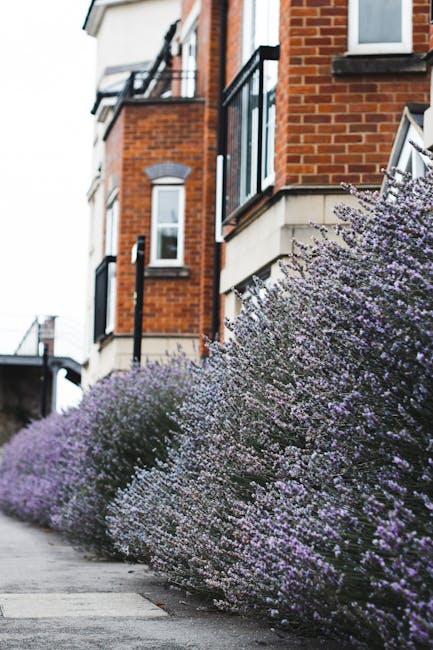
Garden maintenance for flats on Canbury Park Road Kingston
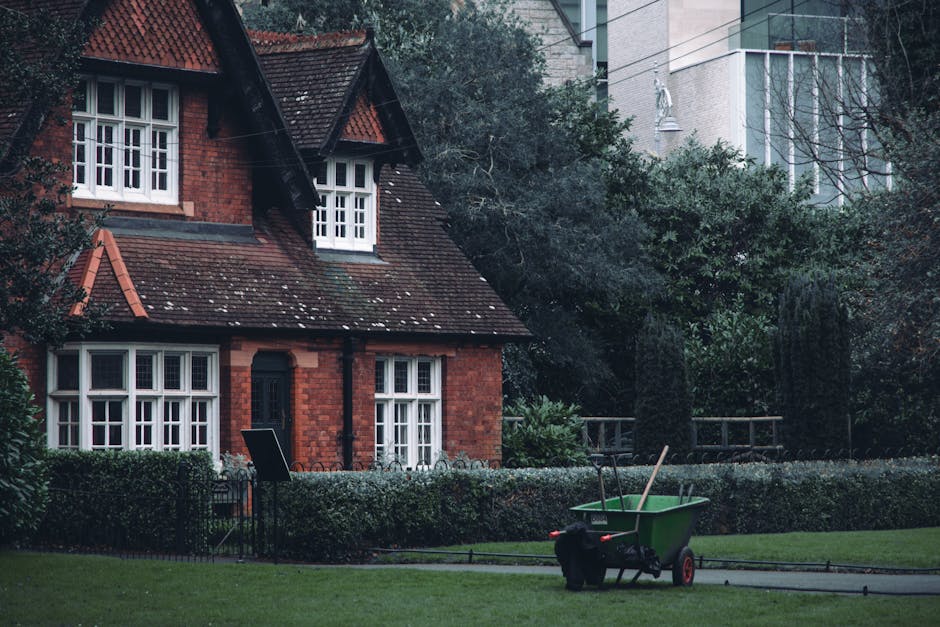
If you live in a flat on Canbury Park Road Kingston, keeping the shared outdoor space tidy can be one of those jobs that looks simple from the window and turns into a small saga once you step outside. One week it is leaves under benches, the next it is overgrown hedges, patchy lawn edges, or bins nudged into the wrong corner again. Garden maintenance for flats on Canbury Park Road Kingston is really about keeping those communal areas safe, pleasant, and easy to live with, without creating extra stress for residents or managing agents.
This guide walks through how flat garden maintenance works, what actually matters in a shared setting, and how to make sensible decisions about ongoing care. You will find practical steps, local considerations, common mistakes, and a straightforward checklist you can use whether you are a resident, landlord, freeholder, or managing agent. A bit of order goes a long way. Truth be told, a well-kept shared garden changes how a property feels the moment you walk through the gate.
Why Garden maintenance for flats on Canbury Park Road Kingston Matters
Shared gardens are not just decoration. For flats, they are part of the everyday living environment, and that means they affect comfort, safety, property presentation, and neighbour relations all at once. On a street like Canbury Park Road, where properties can feel close together and outdoor areas may be shared by several households, the garden tends to act like a common living room outdoors. If it is neglected, everyone notices.
There is also a practical side. Overgrown beds, slippery paths, blocked drains, or poor visibility around entrances can create avoidable problems. A tidy garden reduces trip hazards, keeps access routes clear, and makes it easier for people to use the space properly. That matters whether the garden is a small courtyard, a narrow rear strip, or a more generous communal plot behind a block of flats.
For landlords and managing agents, regular upkeep can also help prevent expensive catch-up work. A little maintenance often beats a full garden clearance later on. And for residents, well-timed care usually means fewer disputes about who should be doing what. Nice, calm, boring. In this context, boring is good.
Expert summary: The best flat-garden maintenance is consistent, modest, and clearly assigned. It is less about dramatic changes and more about keeping shared space usable week after week.
If you are also looking at wider property upkeep, it can help to view outdoor care as part of a broader maintenance plan rather than a one-off task. Services such as garden maintenance and services overview pages are useful starting points when you want to compare what ongoing support may include.
How Garden maintenance for flats on Canbury Park Road Kingston Works
Garden maintenance for flats usually starts with understanding who uses the space, who is responsible for it, and what the garden actually needs. That sounds obvious, but in shared buildings it is often the first thing that gets muddled. One resident may think the gardener is meant to trim everything. Another may expect lawn care only. Meanwhile, the poor hydrangea in the corner has been left to fend for itself.
A proper maintenance plan normally looks at:
- the size and layout of the garden
- the amount of foot traffic
- the mix of lawn, hedges, borders, trees, and hard surfaces
- how often the space grows quickly in spring and summer
- who is responsible for access, waste removal, and approvals
In practice, this often means a recurring schedule with tasks split by season. Spring may focus on clearing winter debris, cutting back growth, and preparing beds. Summer tends to need lawn mowing, edging, hedge trimming, and watering if the planting is young. Autumn is about leaf collection and preventing buildup. Winter can be quieter, but not empty; it is usually the time for pruning, inspection, and tidying what storms have disturbed.
Where trees are present, it is sensible to be cautious. Overhanging branches, dead limbs, or roots affecting pathways can create issues that go beyond simple tidying. In some cases, a specialist service is more appropriate than routine maintenance. If the garden has mature growth, you may want to look at tree lopping and removal for situations that need more than a general tidy.
There is a small but important difference between maintenance and improvement. Maintenance keeps the garden in good condition. Improvement changes how it looks or functions. If you want to rethink the whole outdoor space, landscape gardening or landscaping may be the better route, especially where communal layouts feel awkward or underused.
Key Benefits and Practical Advantages
Good garden maintenance pays off in ways that are easy to miss until the garden slips. Then suddenly everything feels harder. Here are the main benefits that matter for flats.
Better everyday usability
A tidy garden is easier to enjoy. People are more likely to sit outside, let children use the space, or simply open windows without seeing tangled weeds and dead patchy borders. Shared spaces work best when people do not feel awkward about using them.
Improved appearance for the whole property
Even modest maintenance can make a block of flats feel better cared for. Fresh edging, trimmed hedges, and clean pathways often do more for first impressions than expensive decorative additions. A neat garden quietly supports the value of the whole building.
Reduced hazards
Leaves on paving, moss near steps, and low branches by entrances can all become nuisance points. Garden care helps reduce slips, trips, and visibility issues. It is not glamorous, but let's face it, safety rarely is.
Less conflict between residents
Shared spaces can trigger disputes quickly if no one knows what is expected. Regular maintenance sets a visible standard. People stop guessing. That alone can lower tension.
Lower long-term cost and effort
It is usually cheaper to maintain growth than to reverse neglect. A few visits across the year often prevent the sort of overgrowth that needs a bigger clearance job later. If the garden has already got away from people, a one-off garden clearance can reset things before maintenance begins properly.
| Garden situation | What good maintenance does | What happens if it is ignored |
|---|---|---|
| Small communal lawn | Regular mowing, edging, and weed control | Patchiness, messy borders, and uneven growth |
| Shared courtyard | Leaf removal, litter clearing, and plant care | Blocked drains, slippery surfaces, and clutter |
| Boundary hedges | Timed trimming and shape control | Encroachment, reduced light, and complaints |
| Mature trees | Monitoring and specialist pruning where needed | Debris, shading, and possible safety concerns |
Who This Is For and When It Makes Sense
This kind of garden maintenance is for anyone who shares responsibility for an outdoor area attached to flats. That includes leaseholders, freeholders, resident management companies, letting agents, block managers, and landlords. It is also relevant if the garden is not fully communal but still affects neighbouring homes, access routes, or visible frontages.
It makes particular sense when:
- the garden is shared by multiple flats and no one wants confusion about upkeep
- the property has a front or rear communal space that becomes untidy quickly
- hedges or trees are starting to interfere with light, access, or privacy
- residents are doing their best but the work is uneven or inconsistent
- the space needs seasonal care, not just one-off tidying
Sometimes the trigger is simple. A tenant moves out, the garden gets neglected for a few months, and now there is a patch of brambles where the bike storage used to be. Other times, it is more routine: mowing is not happening often enough, or leaves pile up every autumn because no one has a plan. That is when a proper maintenance schedule earns its keep.
It is also worth considering whether the outdoor area needs more than tidy-up work. If pathways are worn, decked areas need attention, or the layout no longer suits how people use the building, then supporting services like decking services or a broader design review may help. Not every garden problem is solved with a pair of shears.
Step-by-Step Guidance
If you are setting up or improving garden maintenance for a flat block, start with the basics and build from there. No drama. Just a sensible sequence.
1. Identify the space and its priorities
Walk the garden and make note of what actually exists: lawn, hedges, borders, trees, paving, bins, fences, and access points. Then decide what matters most. A front entrance area needs presentation and safety. A rear communal lawn may need regular mowing. A shaded courtyard may need leaf and weed management more than anything else.
2. Clarify responsibility
Before any work starts, confirm who pays, who approves, and who should be contacted if something urgent is spotted. Shared outdoor areas often go wrong when nobody knows who can say yes to extra work. A simple written understanding avoids a lot of awkward emails later.
3. Set a seasonal schedule
Break the year into manageable tasks. Spring and summer may need the most regular visits. Autumn usually calls for leaf clearance and border work. Winter can be about pruning, tidying, and inspection. If mowing is needed, a dedicated lawn mowing routine can stop the lawn from becoming a shaggy afterthought.
4. Tackle the biggest visible issues first
In shared spaces, people judge quickly. If the edges are untidy, the path is slippery, or the hedges are blocking the light, sort those first. A garden can look dramatically better after just a few obvious fixes.
5. Build in waste removal
Cuttings, leaves, and green waste need a plan. Otherwise, the garden can look tidied but still feel unfinished. Sustainable disposal matters too, so it is worth asking how clippings are handled and whether recycling practices are available through the provider. The recycling and sustainability approach is worth checking if waste handling matters to your block.
6. Review and adjust
After a few visits, look at what is working. Is the grass growing faster than expected? Are hedge trims too far apart? Is one area always messy because of shade or foot traffic? A maintenance plan should flex a little. Gardens are living systems, not filing cabinets.
Expert Tips for Better Results
Small changes make a surprising difference in flat-garden maintenance. These are the habits that tend to keep things running smoothly.
- Keep mowing consistent. Irregular mowing can stress grass and make the garden look patchy. Short, regular cuts usually work better than long gaps.
- Trim hedges before they cause friction. Once hedges start encroaching on paths or windows, the job becomes more urgent and less pleasant. Hedge trimming is much easier when done before growth gets bulky.
- Think about sightlines. Residents like to feel safe walking to entrances, storing bikes, or taking out rubbish. Open, clear sightlines help.
- Match the work to the season. There is no point forcing a summer-heavy schedule in a quiet winter period. Equally, spring often needs more attention than people expect. Nature does not read calendars.
- Use photos for before-and-after checks. This is a very simple trick, but it helps prove whether the maintenance plan is actually improving the space.
- Do not ignore the awkward corners. Behind bins, beside fences, and around drains are where trouble quietly builds up.
One practical observation from real shared gardens: the places everyone overlooks tend to be the places that annoy everyone later. A little attention to corners, edges, and access routes prevents that slow drift into messiness. And yes, sometimes the tidiest part of the garden is the one people never talk about. That is fine.
Common Mistakes to Avoid
Most flat-garden problems are not caused by bad intent. They happen because maintenance is treated as occasional rather than planned. A few mistakes show up again and again.
Waiting until the garden looks bad
If people only act once the space is obviously overgrown, the job becomes bigger, more expensive, and more disruptive. Maintenance works best when it starts early and stays regular.
Assuming everyone wants the same thing
Residents may disagree on how "tidy" should look. Some prefer a softer planted feel. Others want everything cut back. It helps to agree the standard in advance rather than debating it after the fact.
Ignoring access issues
Gardeners need safe entry to the work area, and residents need safe passage through it. If bins, bikes, or parked items block the route, the job takes longer and the risk goes up.
Skipping waste management
Cuttings left behind make even a good job feel sloppy. It is a small thing, but it matters. Nobody enjoys stepping over a pile of damp leaves on the way to the car.
Using the wrong service for the job
Routine maintenance, clearance, landscaping, and tree work are not the same thing. If the issue is structural or safety-related, do not try to solve it with basic tidying. The same goes for bigger redesign ideas; those belong under a more suitable service such as landscape gardening or landscaping.
Tools, Resources and Recommendations
You do not need a shed full of gear to maintain a flat garden well, but the right tools make the job cleaner and quicker.
- Lawn mower: useful where there is enough lawn to justify regular cuts.
- Hedge trimmer or shears: for keeping boundary hedges and shaped shrubs under control.
- Leaf blower or rake: especially helpful in autumn or on paved communal areas.
- Pruning tools: for light cuts on shrubs and small growth.
- Wheelbarrow or green waste bags: makes removal far easier.
- Gloves and sturdy footwear: basic, but worth stating. The ground can be damp and a bit slippery, especially in the early morning.
For larger shared gardens, it is usually more practical to use a professional team that can handle mowing, trimming, clearance, and seasonal work as part of one plan. If you are comparing support options, the most useful pages tend to be lawn mowing, hedge trimming, garden clearance, and the broader garden maintenance service information.
If budget planning is on your mind, it is sensible to ask for a clear quote structure and understand what is included in each visit. The pricing and quotes page is the kind of place to start when you want a better sense of how services are presented. No one likes surprises on an invoice. Well, almost no one.
Law, Compliance, Standards, or Best Practice
For flat blocks, garden care is not just about appearances. There can be legal and practical duties around safety, access, and shared responsibility. The exact obligations depend on the property setup, lease arrangements, and management structure, so it is wise to treat this section as general guidance rather than legal advice.
In everyday UK practice, good standards usually include:
- keeping pathways and entrances clear
- reducing obvious trip hazards and slippery buildup
- managing overgrowth that affects access or visibility
- disposing of waste responsibly
- using contractors with appropriate insurance and safety procedures
If tree work is needed, it should be handled cautiously and by someone competent for the task. Heavy pruning or removal can carry risk, especially near buildings, fences, or shared access routes. It is also sensible to ask how health and safety is handled on site. A responsible provider should be able to explain their working practices clearly. The related pages on health and safety policy and insurance and safety are relevant if you want to understand those standards in more detail.
For residents and managing agents, the best rule is simple: choose work that is proportionate, documented, and easy to review. If you are not sure whether something counts as maintenance or something more involved, ask for a clear explanation before the job starts. That little pause can save a lot of hassle.
Options, Methods, or Comparison Table
There is more than one way to handle garden maintenance for flats. The right option depends on budget, garden size, and how much coordination you want to deal with every month.
| Approach | Best for | Pros | Trade-offs |
|---|---|---|---|
| Ad hoc tidy-ups | Very small or rarely used spaces | Simple, flexible, low commitment | Can become inconsistent and reactive |
| Seasonal visits | Courtyards and shared gardens with moderate growth | Balances cost and upkeep, keeps things under control | Needs a clear schedule |
| Regular maintenance plan | Communal gardens used by multiple flats | Most reliable, best presentation, fewer issues | Requires ongoing budget and coordination |
| Combined maintenance and improvement works | Gardens that need both care and redesign | Can solve deep-rooted layout problems | More planning, higher upfront cost |
For many flats on Canbury Park Road Kingston, a regular maintenance plan is the sweet spot. It is not flashy, but it tends to produce the least friction. If the garden is already tired or badly arranged, combining ongoing care with light improvements may be the smarter route. You know when a space needs more than a tidy? Usually when everyone avoids using it.
Case Study or Real-World Example
Consider a small block of flats with a rear communal garden: one strip of lawn, a hedge boundary, a couple of shrubs, and a paved path leading to bin storage. At first glance it seems manageable. But after a few months without proper attention, the lawn becomes uneven, the hedge starts leaning into the walkway, and leaves collect along the edge of the paving. Residents begin stepping around the worst patches rather than through them.
A practical maintenance plan changes that picture without needing a full redesign. The first visit clears debris and shapes the boundary growth. The second introduces regular mowing and edging. By the third, the garden feels settled again. People use the space more. The path stays clearer. The bins look less like a problem zone. Nothing dramatic happened, and that is exactly the point.
In a second example, a block with mature shrubs and one overbearing tree may need more careful thought. Routine care helps, but a few branches could be affecting light and dropping too much debris. In that case, a maintenance provider might recommend selective tree work alongside the regular schedule. That is the difference between merely keeping up and genuinely improving how the garden functions.
Practical Checklist
Use this as a quick sanity check before arranging work for a flat garden. It is simple, but helpful.
- Confirm who is responsible for the garden and who approves work
- Walk the space and note lawns, hedges, shrubs, trees, paths, and problem areas
- Decide whether the priority is maintenance, clearance, or improvement
- Set a seasonal schedule rather than relying on one-off visits
- Make sure waste removal is included or clearly planned
- Check access for the gardener and for residents during work
- Ask how safety, insurance, and site risks are handled
- Agree the standard of finish so expectations are realistic
- Review the results after the first couple of visits
- Keep a record of recurring issues so the plan can improve over time
If you can tick most of those boxes, you are already ahead of the usual chaos. Not glamorous, but effective.
Conclusion
Garden maintenance for flats on Canbury Park Road Kingston is really about keeping shared outdoor space calm, usable, and easy to live with. When the work is planned well, residents benefit from a cleaner, safer, and more attractive environment, and the building itself feels more cared for. That is true whether the space is a tiny courtyard or a more open communal garden.
The best results usually come from consistency, clear responsibility, and a maintenance schedule that matches how the garden actually behaves through the year. If the space needs deeper work, pair routine care with clearance, hedging, mowing, or even landscaping support rather than trying to solve everything with occasional tidying. Small, steady steps usually win. They really do.
If you are weighing up the next move for your shared garden, start with a simple review of what is there, what is causing friction, and what level of care would make the biggest difference. From there, the right plan becomes a lot easier to see.
Get a free quote today and see how much you can save.
When a garden is looked after properly, it stops feeling like a task and starts feeling like part of home again.
Frequently Asked Questions
What does garden maintenance for flats usually include?
It usually covers mowing, hedge trimming, edging, weeding, leaf clearance, light pruning, and general tidying. For some blocks, it may also include waste removal and periodic checks for overgrowth or safety issues.
How often should a communal garden be maintained?
That depends on the size of the space and how quickly it grows. Many shared gardens benefit from regular visits during the growing season, with lighter work in quieter months. A lawn-heavy garden usually needs more frequent attention than a paved courtyard.
Is garden maintenance different from garden clearance?
Yes. Maintenance keeps an existing garden in good shape over time. Clearance is more about removing heavy overgrowth, accumulated debris, or neglected waste so the space can be reset. In many cases, a clearance comes first and maintenance follows.
Who is normally responsible for the garden in a block of flats?
That depends on the lease, ownership structure, and management arrangements. It may be the freeholder, a managing agent, a resident management company, or a landlord. If in doubt, check the property paperwork before arranging work.
Can residents share the cost of garden upkeep?
Often, yes, if the garden is communal and the property agreements allow it. The exact arrangement varies, so it is best to confirm how service charges or shared costs are handled before commissioning any work.
What is the best time of year for hedge trimming?
It depends on the hedge type and how quickly it grows, but many hedges benefit from regular attention during the growing season. The key is not to leave them so long that they become unwieldy. Once they get bulky, the job becomes harder and less tidy.
Do flat gardens need different care than private gardens?
Yes, because shared access, multiple users, and collective responsibility change the picture. A flat garden often needs more coordination, clearer standards, and attention to safety around pathways, entrances, and communal features.
What should I ask before booking a gardener for a flat block?
Ask what is included, how often visits happen, how waste is removed, whether they can handle hedges or trees if needed, and how safety and insurance are managed. It also helps to ask how they would approach the specific layout of your garden.
Can a gardener handle lawns, hedges, and trees in one visit?
Sometimes, yes. For many blocks, it is efficient to combine mowing, trimming, and general maintenance in one scheduled visit. If the trees are large or complicated, though, that may need separate specialist work.
How do I know if the garden needs landscaping rather than maintenance?
If the layout no longer works, the garden feels awkward, or there are persistent problems that maintenance alone cannot solve, then landscaping may be the better option. Maintenance keeps things tidy; landscaping changes the structure or function of the space.
Is it worth arranging a maintenance plan for a very small shared garden?
Usually, yes. Even a small space can become messy quickly if several households share it. A light but regular plan often saves time, reduces disagreement, and keeps the garden looking intentional rather than neglected.
What if the garden is already badly overgrown?
In that case, start with a proper clearance first and then move into maintenance. Trying to maintain a garden that has already run away from people tends to be frustrating. It is better to reset it and then keep it steady.
How do I get a quote for maintenance on a flat block?
Prepare a few details: the size of the garden, what features it has, how often you want it maintained, and any access or waste issues. That makes it easier to get an accurate quote and compare options sensibly.
If you want to see the wider service range or learn more about the business behind the work, you can also review the about us page and the contact us page for next steps. And if you are interested in sustainability in day-to-day work, the recycling and sustainability approach may be useful too.