Gardeners Kingston: Recycling and Sustainability for Greener Gardens
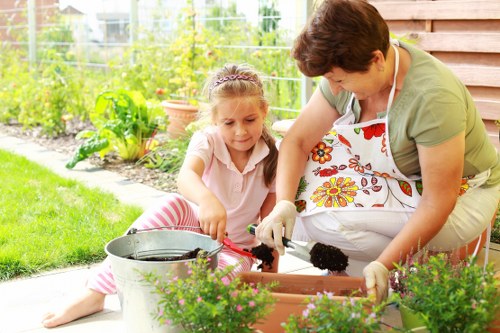 Gardeners Kingston is committed to creating an eco-friendly waste disposal area across all our projects, turning garden rubbish into resources. Our approach to a sustainable rubbish gardening area focuses on reducing landfill, maximising reuse and ensuring responsible disposal across the borough. We celebrate small actions that add up: careful segregation on-site, partnerships that divert usable items, and a fleet that cuts transport emissions. Every garden we manage becomes part of a circular local system.
Our targets and local approach
We have set a measurable recycling percentage target: to achieve a 65% recycling rate across our operations by 2028. This target covers green waste, plant pots and trays, soil reuse, timber, and recyclable packaging. We align with the borough's wider waste separation strategy, which often includes separate food and mixed recycling streams and kerbside green bins, supporting local policy and practical on-site solutions. Transparent reporting ensures progress is visible and verifiable.
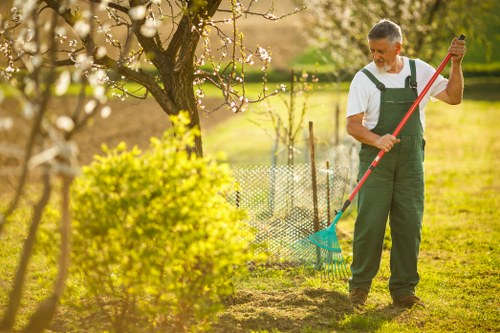 Our services prioritise an eco-conscious waste disposal area at every job: designated skips for green waste, dedicated containers for recyclable plastics and metals, and clear labelling for reuseable items. This reduces contamination and increases recovery rates that feed into community composting and registered transfer channels.
We work with a network of local transfer stations and waste hubs to keep materials flowing back into useful cycles. By routing segregated loads to nearby transfer stations, Gardeners Kingston reduces haul distances and turnaround times. These local transfer stations act as interim sorting points where clean green waste becomes biomass feedstock and well-sorted recyclables are forwarded to appropriate processors.
Partnerships with charities and community groups are essential to our model. We donate usable tools, surplus plants and cleaned containers to social enterprises and local allotment projects. Working with local reuse organisations and community gardens helps divert perfectly serviceable items away from the waste stream while supporting social value and habitat restoration.
 Our low-carbon vans form a key part of reducing the carbon footprint of transporting waste. We use a mix of battery-electric and efficient hybrid vans for material collection and delivery, charging from renewable or low-carbon grid sources where possible. This lowers emissions from the transport leg of recycling and supports a truly sustainable rubbish gardening area from pick-up to processing.
On-site segregation is complemented by seasonal composting and soil management. We prioritise reusing composted green waste back into the gardens we maintain and into community soil banks, reducing the need for virgin topsoil and chemical inputs. Mulch, woodchip and finished compost are circulated locally to maintain healthy soil structure and biodiversity.
We measure diversion rates and local impact: tonnes of green waste composted, number of items diverted to charities, and percentage reduction in residual waste per project. These indicators help us refine operations and scale the most effective practices, reinforcing our pledge to sustainable gardening waste management.
Practical recycling activities we routinely handle include:
- Garden waste collection for composting and anaerobic digestion;
- Bulky green material processing for biomass and mulch;
- Sorting and forwarding plastics, metal, and clean timber to local recycling streams;
- Donating reusable equipment and materials to community partners.
Working with the borough and community
We coordinate closely with local authorities to respect the boroughs approach to waste separation, such as separate food collections, mixed recycling points and household hazardous waste protocols. By matching our on-site segregation to municipal collection schemes we reduce cross-contamination and help improve the overall recycling yield in the area.
 Collaboration with transfer stations and authorised recycling partners is central to our logistics. We plan routes to minimise travel, use transfer stations in and around Kingston to consolidate loads, and ensure materials reach appropriate processors quickly. This coordination supports a low-impact, high-efficiency system for garden waste management.
 In closing, Gardeners Kingston is building a replicable model for an eco-friendly waste disposal area and a resilient sustainable rubbish gardening area. We combine ambitious targets, smart partnerships with charities and hubs, and a modern low-carbon fleet to reduce waste, support reuse and keep gardens thriving with minimal environmental cost. Our commitment is to measurable improvement, community benefit and practical circularity in every green space we touch.

