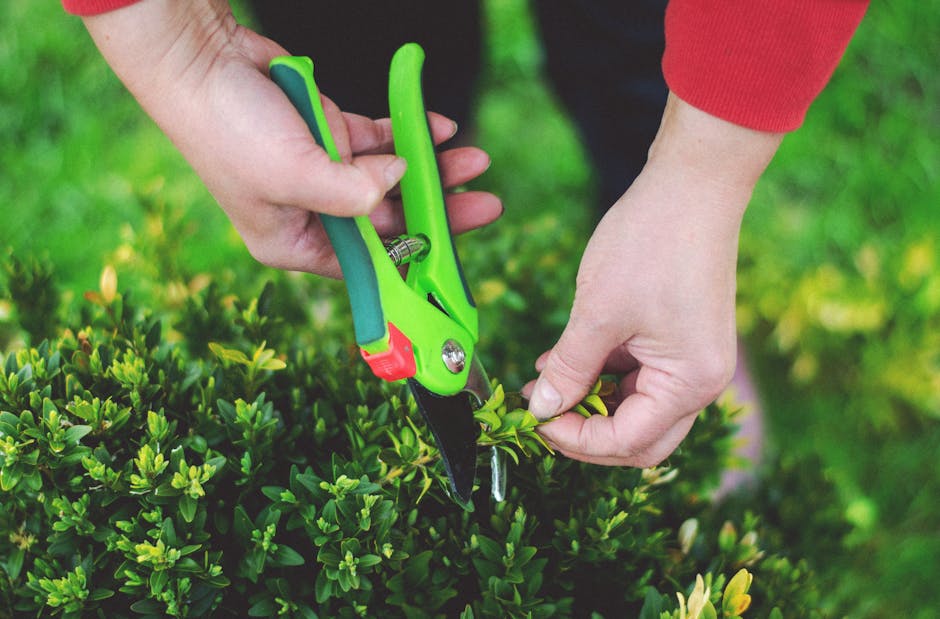
Surbiton gardeners pruning tips for small back gardens
If you have a small back garden in Surbiton, pruning is one of those jobs that can quietly transform the whole space. Done well, it keeps plants healthy, stops borders from feeling crowded, and makes a compact garden look brighter, calmer, and easier to enjoy. Done badly, well... you end up with stubs, gaps, and the nagging feeling you've chopped the wrong thing at the wrong time.
This guide on Surbiton gardeners pruning tips for small back gardens focuses on practical, real-world advice for tight outdoor spaces. You'll learn how to prune without making a garden feel bare, how to work around fences, patios, and narrow access, and how to decide what to cut, what to leave, and when it makes sense to ask for help.
Small gardens are unforgiving in a good way. Every cut shows. Every plant matters. So let's keep it useful and straightforward.
Table of Contents
- Why pruning matters in small back gardens
- How pruning works in a compact space
- Key benefits and practical advantages
- Who this is for and when it makes sense
- Step-by-step guidance
- Expert tips for better results
- Common mistakes to avoid
- Tools, resources and recommendations
- Law, compliance, standards, or best practice
- Options, methods, and comparison table
- Case study or real-world example
- Practical checklist
- Conclusion
- Frequently Asked Questions
Why Surbiton gardeners pruning tips for small back gardens Matters
In a small back garden, pruning is not just about tidiness. It's about proportion, light, airflow, and making every square metre earn its keep. A shrub that's too wide can block a path. A climber left unchecked can swallow a fence. A fruit tree allowed to ramble can shade out everything beneath it. In a larger garden, that kind of sprawl might be tolerable. In a compact one, it can feel overwhelming fast.
Surbiton gardens often sit somewhere between cosy and awkwardly narrow, with neighbouring fences, patio areas, and a lot of "please don't block the light" pressure from every side. That makes pruning more than a seasonal chore. It becomes part of the design. The right cuts can open a view from the kitchen window, create breathing space around seating areas, and keep plants in scale with the plot.
There's also a health angle. Pruning helps remove dead, diseased, or rubbing growth, which can reduce stress on a plant and improve air movement. In damp or shaded corners, that matters more than people think. A congested plant is often a plant that sulks. Not always, but often enough.
Key takeaway: In a small back garden, pruning is as much about space management as it is about plant care. The aim is not to remove as much as possible; it's to keep structure, light, and balance.
If your garden feels cramped, pruning can work hand in hand with broader upkeep. Many homeowners find that regular garden maintenance is what stops the space from drifting into chaos in the first place. And if a hedge is one of the main causes of shade or visual bulk, hedge trimming becomes part of the same conversation, not a separate one.
How Surbiton gardeners pruning tips for small back gardens Works
Pruning works by guiding the plant rather than fighting it. That sounds obvious, but it's where a lot of mistakes begin. You are not trying to make every shrub the same shape. You are trying to encourage healthy growth in the right direction, at the right time, with the least stress possible.
In practice, good pruning in a small back garden usually involves four things:
- Removing dead, damaged, or crossing stems so the plant can focus on healthy growth.
- Reducing width or height carefully so the plant stays in scale with the space.
- Opening the centre where appropriate to improve light and airflow.
- Maintaining shape so the garden still looks purposeful, not chopped about.
The method changes depending on what you're pruning. Soft, leafy shrubs respond differently from woody roses, climbers, or small trees. A light trim on a vigorous plant might be enough in summer. A structural prune in late winter may be better for deciduous species. Truth be told, half the battle is simply knowing which job you are doing before you start.
Small gardens also need a different visual rhythm. If you remove too much from one side, the whole garden can suddenly look lopsided. That's why experienced gardeners often work in stages: step back, check the line, trim a little more, and only then commit to the next cut. Sounds slow. It is slow. But it saves regret.
In a compact space, pruning often interacts with surrounding surfaces too. A plant overhanging a deck, for example, may need a different approach from one sitting in a border. If the layout itself is making pruning awkward, it may be worth looking at broader design support through landscaping or landscape gardening, especially where access, light, and planting positions all need a rethink.
Key Benefits and Practical Advantages
Good pruning gives you more than a neat finish. In a small garden, the payoff can be immediate and surprisingly satisfying. You notice the light sooner. You can walk through more easily. The border stops feeling like it's leaning at you.
- More usable space: Cutting back overgrowth can reclaim a path, a bench corner, or a patch of lawn that had started disappearing.
- Better light: Opening the canopy on one side can brighten a patio or window view without removing a plant entirely.
- Improved plant health: Dead and crowded growth can be a headache for air movement and disease prevention.
- Cleaner lines: A small garden often looks bigger when edges are intentional and not ragged.
- Easier ongoing maintenance: Regular, light pruning is far easier than trying to rescue a garden that's been ignored for a year or two.
There's also a practical money angle, though not in a dramatic way. Regular pruning tends to be less disruptive than heavy remedial work, especially when plants have outgrown their spots. If you're planning seasonal work, it can help to combine pruning with other tidy-up tasks rather than doing everything separately. A lot of households in Surbiton prefer that kind of joined-up approach because, frankly, it keeps the garden from becoming a never-ending weekend project.
And let's not forget the emotional side. A tidy, balanced garden simply feels better to spend time in. You open the back door and think, "Right, that's better." That matters more than people admit.
Who This Is For and When It Makes Sense
This guidance is useful if your back garden is small, enclosed, or shared visually with neighbouring spaces. It's especially relevant if you have shrubs brushing the fence line, climbers getting out of hand, or a mixed border that looks crowded by midsummer.
You'll probably benefit most from these pruning tips if you are:
- a homeowner trying to keep a compact garden tidy without stripping it bare;
- a landlord or tenant wanting the outdoor space to look cared for;
- someone with limited time who needs a low-fuss maintenance rhythm;
- a gardener dealing with a mix of shrubs, climbers, and smaller ornamental trees;
- someone planning a refresh and wanting to avoid expensive overcutting.
It also makes sense if you're not fully confident about plant identification. Some plants tolerate hard pruning. Others really do not. If you're unsure, a conservative approach is usually safer than a heroic one. The garden can recover from a light, sensible cut. It sometimes struggles to forgive a drastic one.
If your garden includes mature trees or large limbs overhanging structures, pruning can cross into more specialist work. That is where tree lopping and removal may be more appropriate than ordinary garden pruning. The same goes for spaces where access is awkward or where larger clearances are needed before you can even begin.
Step-by-Step Guidance
Here's a straightforward pruning process that works well in small back gardens. It's not flashy, but it is reliable.
- Walk the garden first. Look for crowded areas, dead stems, branches touching windows, and anything that blocks light or movement. Don't rush. A ten-minute look around saves a lot of second-guessing.
- Decide what matters most. Is the priority shape, light, health, or access? In a tiny garden you often can't optimise everything at once, so choose your main goal.
- Start with the dead and damaged growth. Remove broken, diseased, or clearly unproductive stems first. This makes the plant easier to read.
- Thin before you shorten. Where suitable, take out some crowded stems from the base or interior before reducing length. That keeps the shape lighter and less boxy.
- Make small, measured cuts. Step back after each round. In a small garden, a few centimetres can change the whole look.
- Respect natural form. If a plant wants to arch or fountain, don't force it into a rigid blob unless that's genuinely the style you want.
- Clear the clippings as you go. A small space fills quickly. Piles of cuttings can make the garden feel cluttered and obscure what you've already done.
- Finish with a tidy edge check. Make sure branches are not brushing against paths, doors, fence tops, or seating areas.
If a plant has become too large for its place, you may need a phased approach over a season rather than one dramatic cut. That can be frustrating, but it's usually safer and more attractive. To be fair, gardens rarely improve because someone got impatient with secateurs.
For recurring maintenance, some homeowners prefer to combine pruning with mowing and general care. That's where services such as lawn mowing and broader garden maintenance can support the overall shape of the space, not just the plants.
Expert Tips for Better Results
A few small habits make a big difference. These are the kinds of details that separate a neat result from a slightly awkward one.
- Prune in stages, not moods. One impulsive afternoon with a pair of shears can cause more damage than weeks of neglect.
- Use the "window view" test. Step indoors and look out. If pruning improves the view from the house, you're probably heading in the right direction.
- Keep one strong focal plant. In a small garden, not every plant should shout. Let one shrub, climber, or feature plant hold the eye.
- Leave some softness. Crisp lines are fine, but too much clipping can make a small garden feel severe and chilly.
- Watch the shadow line. A branch that looks harmless on a cloudy morning may block far more light than expected by late afternoon.
- Prune after rain with care. Wet foliage and slippery paving are a poor combination. Nothing glamorous about skidding while holding loppers.
Another good rule: if you're unsure whether a cut is necessary, wait a day. That tiny pause often helps you see the plant more clearly. You also tend to notice the garden as a whole rather than just the one branch annoying you in the moment.
If you have hedges in a small space, regular shaping is usually better than waiting for a major trim. A good hedge trimming routine keeps boundaries tidy without encouraging a big annual battle.
Common Mistakes to Avoid
Most pruning problems in small back gardens come from enthusiasm, not neglect. People want quick results. Understandable. The trouble is that plants rarely work on our schedule.
- Taking too much off at once: This is the classic error. A plant can look unbalanced for a long time after a hard cut, and some species never really recover their shape.
- Cutting without a plan: Random snips lead to random results. Decide the final outline before you begin.
- Ignoring the plant type: Different plants respond differently to pruning. What suits a fast-growing shrub may be wrong for a slow-growing ornamental.
- Forgetting the long view: In a small garden, a cut that looks tidy today may leave awkward gaps next month.
- Shearing everything flat: Overly uniform clipping can make the space look harsh and reduce visual interest.
- Leaving diseased material on site: Diseased cuttings should not be left to mingle with healthy planting.
One subtle mistake is pruning only for the eye at shoulder height and forgetting the rest of the garden. A plant can look fine from one angle and still be crowding a path, hiding a wall, or dragging the whole space into shade. Small gardens expose those inconsistencies quickly. Very quickly.
If a garden has become heavily congested or difficult to manage, sometimes the right first step is not pruning at all but clearance. In those cases, garden clearance can create the breathing room needed before any careful shaping begins.
Tools, Resources and Recommendations
You do not need a shed full of specialist kit to prune well in a small back garden. In fact, too much gear can make the job harder. A sensible, tidy kit is usually enough.
| Tool | Best for | Why it helps in a small garden |
|---|---|---|
| Hand secateurs | Thin stems, deadheading, small shaping cuts | Precise control when space is tight |
| Loppers | Thicker stems and awkward reaches | Less strain when cutting woody growth |
| Pruning saw | Larger branches | Useful where secateurs are not enough |
| Gloves | General protection | Helpful around thorns, rough bark, and debris |
| Bypass pruners | Clean cuts on live stems | Usually better for plant health than crushing cuts |
| Bucket or trug | Collecting clippings | Prevents the space from becoming cluttered mid-job |
A few practical recommendations:
- Keep blades clean and sharp. Blunt tools make untidy cuts and turn a quick job into a faff.
- Use the smallest tool that can do the job properly.
- Wear gloves even for "quick" jobs; quick jobs have a funny way of becoming scratchy jobs.
- Keep clippings separated if you plan to recycle green waste or compost healthy material.
For the wider aftercare, it can also help to consider sustainable waste handling. If you are keen to reduce garden waste responsibly, the company's recycling and sustainability information is worth a look, especially if pruning generates more material than expected.
And if you want to understand the broader range of support available, the services overview gives a clearer picture of how pruning sits alongside other garden jobs.
Law, Compliance, Standards, or Best Practice
Pruning in a private garden is usually straightforward, but there are still sensible standards to keep in mind. In the UK, you should always work carefully around boundaries, overhanging growth, and neighbouring properties. If a branch crosses a fence line, it is usually wise to discuss it with the neighbour before cutting, especially where the plant belongs to them or the work could affect shared views and screening.
Health and safety matters too. Safe footing, stable access, and sensible tool use are not optional extras. Even in a small garden, a slip on a damp patio or an awkward stretch over a fence can end badly. If you are using professional help, it is reasonable to ask how they approach risk management and insurance. That is just good practice, really.
When larger limbs, height, or awkward access are involved, pruning can move beyond routine garden care. That is the point where specialist knowledge becomes important. For homeowners who want reassurance about how work is carried out, the company's pages on insurance and safety and the health and safety policy may be useful context.
It is also normal to check terms and pricing before any booked work. The pricing and quotes page can help set expectations, while terms and conditions explain the commercial side of the arrangement in plain business language.
For readers who like to know who is actually doing the work, the about us page helps build a better sense of the team behind the service. That kind of context matters more than people think.
Options, Methods, or Comparison Table
There is no single pruning method that suits every small garden. The best approach depends on the plant, the season, and how much space you need to reclaim. Here is a simple comparison that helps narrow things down.
| Method | Best used for | Strengths | Trade-offs |
|---|---|---|---|
| Light selective pruning | Most shrubs, climbers, and tidy-up work | Preserves shape, gentle on plants, good for small gardens | May need repeating more often |
| Thinning cuts | Congested shrubs and layered growth | Improves airflow and light without flattening the plant | Needs a good eye for structure |
| Heading cuts | Containment and size reduction | Quick way to reduce spread or height | Can look blunt if overused |
| Renewal pruning | Older shrubs that are overcrowded or tired | Can revive structure over time | Not suitable for every species |
| Seasonal trimming | Hedges and fast-growing edges | Keeps boundaries neat | Often needs regular attention |
For a small garden, selective pruning and thinning are often the smartest starting points. They keep the garden soft and balanced rather than aggressively clipped. That said, if a hedge is stealing all the light, regular trimming can be the most practical answer. It's a judgement call, not a dogma.
Case Study or Real-World Example
Imagine a modest Surbiton back garden with a narrow lawn, a patio, and two mixed shrub borders along the fence. By early summer, one shrub has flopped into the path, a climber is shading the seating area, and a small ornamental tree is throwing too much shadow across the flower bed.
A sensible pruning approach might look like this:
- reduce the shrub's width in stages so the path is clear again;
- thin the climber rather than hacking it back, preserving flowers and coverage;
- lift the lower branches of the ornamental tree just enough to bring light back into the bed;
- remove dead or rubbing stems everywhere, because they only add clutter;
- then step back and check the garden from the house, not just from the border.
The result is usually better than a hard cut. The garden feels open without looking stripped. The fence still has greenery. The path works again. And the seating area starts to feel like somewhere you'd actually want to sit with a cup of tea in the late afternoon.
That kind of outcome is why pruning in small gardens is so much about restraint. It is not about perfection. It is about making the space feel alive and manageable at the same time.
Practical Checklist
Use this quick checklist before and during pruning:
- Have I identified the plant before cutting?
- Is my main goal health, shape, light, or access?
- Do I know whether this plant tolerates light, moderate, or heavier pruning?
- Have I removed dead, damaged, or crossing stems first?
- Am I stepping back often enough to check balance?
- Have I avoided taking too much off one side?
- Are paths, windows, fences, and seating areas still clear?
- Have I kept clippings under control so the space doesn't feel cluttered?
- Do I need to spread the job over two sessions rather than forcing it today?
- If the job feels beyond routine care, should I ask for professional help?
That last point matters. A small garden can be deceptively tricky. Sometimes the neatest result comes from not trying to do everything in one go.
Conclusion
Pruning a small back garden well is really about balance. Keep enough growth to preserve softness and privacy, but cut enough to restore light, shape, and room to move. Stay selective. Work in stages. Step back often. And treat each plant as part of the whole picture, not a separate little problem to solve with force.
If you remember only one thing from these Surbiton gardeners pruning tips for small back gardens, let it be this: the best pruning makes the garden feel easier to live with, not just tidier to look at. That subtle difference changes everything.
If your space needs more than a quick tidy-up, or you'd simply rather have an experienced team handle the job, explore the available garden services and practical support. Sometimes a little expert help saves a lot of guesswork, and a lot of bent backs too.
Get a free quote today and see how much you can save.
And if you are planning the next round of seasonal care, take it one careful cut at a time. Small gardens reward patience. They really do.
Frequently Asked Questions
How often should I prune a small back garden?
It depends on the plants, but small back gardens usually benefit from light, regular pruning rather than one big annual cut. Fast-growing hedges and shrubs may need attention several times a year, while slower plants may only need a seasonal tidy.
What is the best time of year to prune in Surbiton?
The right timing depends on the plant. Many deciduous shrubs are best pruned in late winter or early spring, while some flowering shrubs are better trimmed after flowering. If you are unsure, a cautious light prune is usually safer than a hard cut at the wrong time.
Can pruning make a small garden look bigger?
Yes. Opening up sightlines, reducing overhang, and keeping plants in proportion can make a compact garden feel noticeably larger. Even a few well-judged cuts can improve the sense of space.
Should I prune everything back hard if the garden is overgrown?
Not usually. Hard pruning can stress plants and leave the garden looking bare. In many cases, staged reduction works better. If the space is heavily congested, a broader tidy-up or clearance may be the better first step.
What tools do I actually need for pruning a small garden?
In most cases, hand secateurs, loppers, gloves, and a small pruning saw are enough. Good tools matter more than a large toolkit. Sharp blades and clean cuts make a noticeable difference.
How do I know if a plant needs pruning or replacing?
If a plant is healthy but simply too large, pruning is usually the first option. If it is diseased, badly placed, or no longer suits the garden's layout, replacement may be more practical. Sometimes the honest answer is a bit of both.
Is hedge trimming the same as pruning?
Not exactly. Hedge trimming is usually about keeping a hedge neat and within bounds, while pruning often focuses on the structure and health of an individual plant. The two jobs overlap, especially in small gardens, but they are not identical.
What should I do with the cuttings?
Healthy clippings can often be composted or recycled as green waste, depending on the material. Diseased or thorny material needs more care. Keeping cuttings off paths and patios also prevents the garden from feeling messy while you work.
Can pruning damage privacy in a small garden?
Yes, if you cut too much from screening plants or hedges. In a compact garden, privacy and light often compete. The trick is to reduce bulk without stripping away the green barrier entirely.
When should I call a professional gardener instead of doing it myself?
If the plant is large, the access is awkward, the growth is near structures, or you are unsure what you're cutting, it is wise to get help. A professional can save time and reduce the risk of damaging plants or property.
How do I keep a small back garden tidy between pruning sessions?
Small, frequent checks are best. Remove dead growth, trim back the odd stray stem, and avoid letting one plant dominate the space. A light touch through the season is much easier than waiting until everything has become tangled.
Does pruning help with garden maintenance overall?
Absolutely. Pruning supports a healthier, more manageable garden and makes the rest of the maintenance easier too. It works best as part of a regular routine rather than an occasional rescue mission.
If you want to learn more about the wider approach to caring for compact outdoor spaces, the garden maintenance page is a useful place to start, and for bigger seasonal resets the garden clearance option may be more appropriate. In a small garden, that joined-up thinking tends to pay off nicely.